
A Korean drama is built differently from an American one, and the difference is structural rather than a matter of taste. The ending is written before filming starts. A second season usually never happens, because there is nothing left to do. Sixteen episodes, one story, credits.
This guide is for anyone who has been told to "just watch a K-drama" for the fifth time and has no idea where to begin. It covers where to start depending on what you already like, how much time this actually takes, what the words you'll hear in every other episode mean, and what not to expect.
What makes a K-drama different
The story finishes. The standard is sixteen episodes of sixty to seventy minutes. Sometimes twelve, sometimes twenty. Rarely more, and almost never a second season with the same characters. The script is written towards an ending rather than towards a contract renewal, which is why subplots close and supporting characters get finished stories instead of quietly disappearing.
Two episodes a week. The classic slots are Monday–Tuesday, Wednesday–Thursday or the weekend. A show therefore lives for two months rather than one evening. Join during the run and you're watching alongside Korea and the internet; join afterwards and you get the whole thing at once.
The soundtrack is part of the script. A song returns at specific moments and does the job lighting would do in a film. When a show is over, the OST is usually what stays in your playlist for the next month.
The tone jumps. A single episode can do slapstick, then grief, then a thriller beat. If you're used to one register per show, that's the first thing to get used to — and usually the second thing you end up liking.
Where to start, depending on what you like
One title, as a test
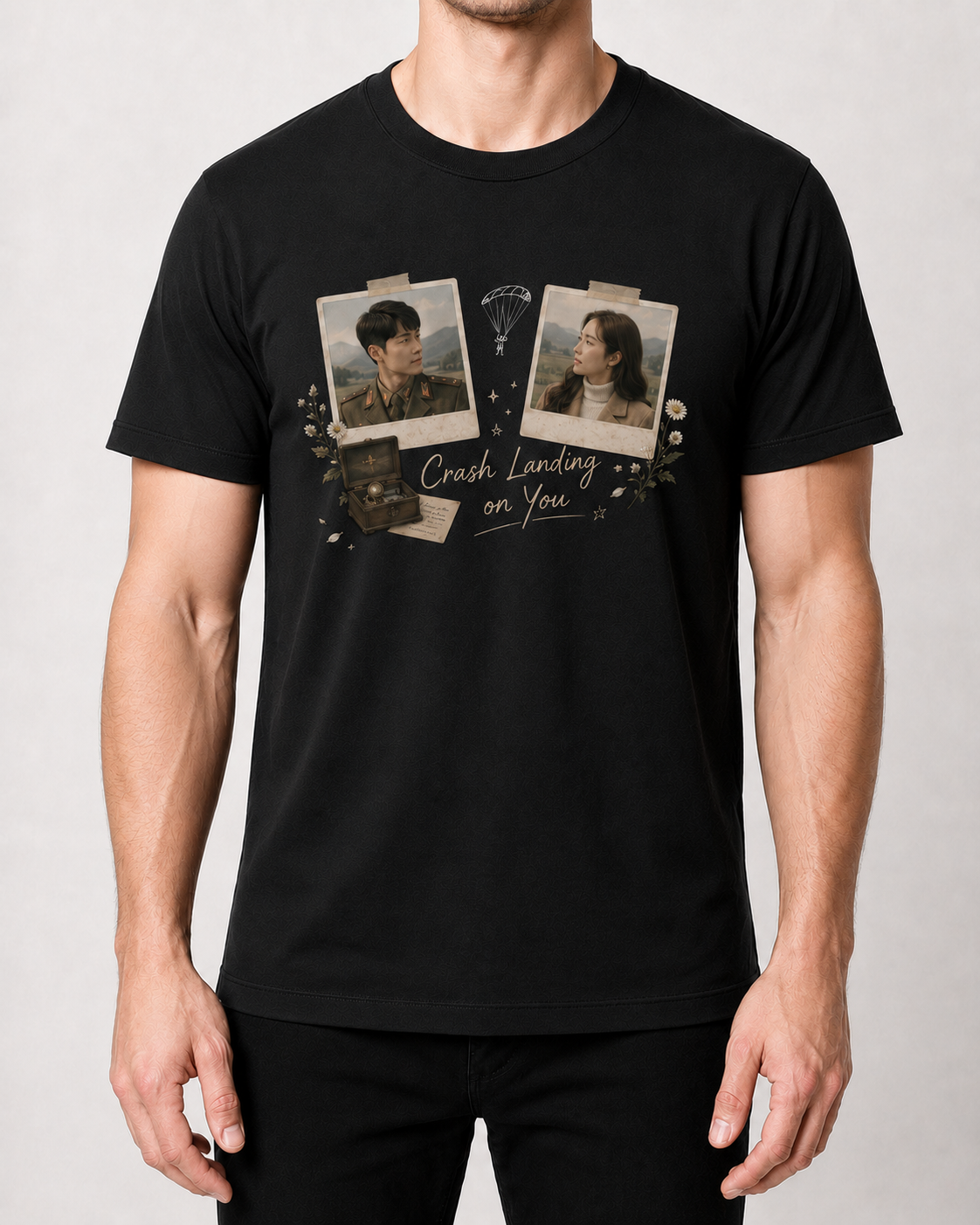
Crash Landing on You (사랑의 불시착). A South Korean heiress paraglides over the border and is found by a North Korean officer. It sounds like a joke and plays as a drama. Romance, comedy, a village where everybody knows everything, and an ending people cry at without embarrassment. If you're only going to watch one, watch this — t-shirt, cap, bucket hat.
If you'd rather have a thriller than a romance
Squid Game (오징어 게임). People in debt play children's games for money they cannot get any other way. It is the most famous Korean title in the world and simultaneously the least representative of the genre — shorter, harsher, and made for a global platform. A good entry point if romance puts you off. A poor one if you want to know what an average K-drama looks like. Bucket hat, cap.
If you like offices and people pretending to be someone else
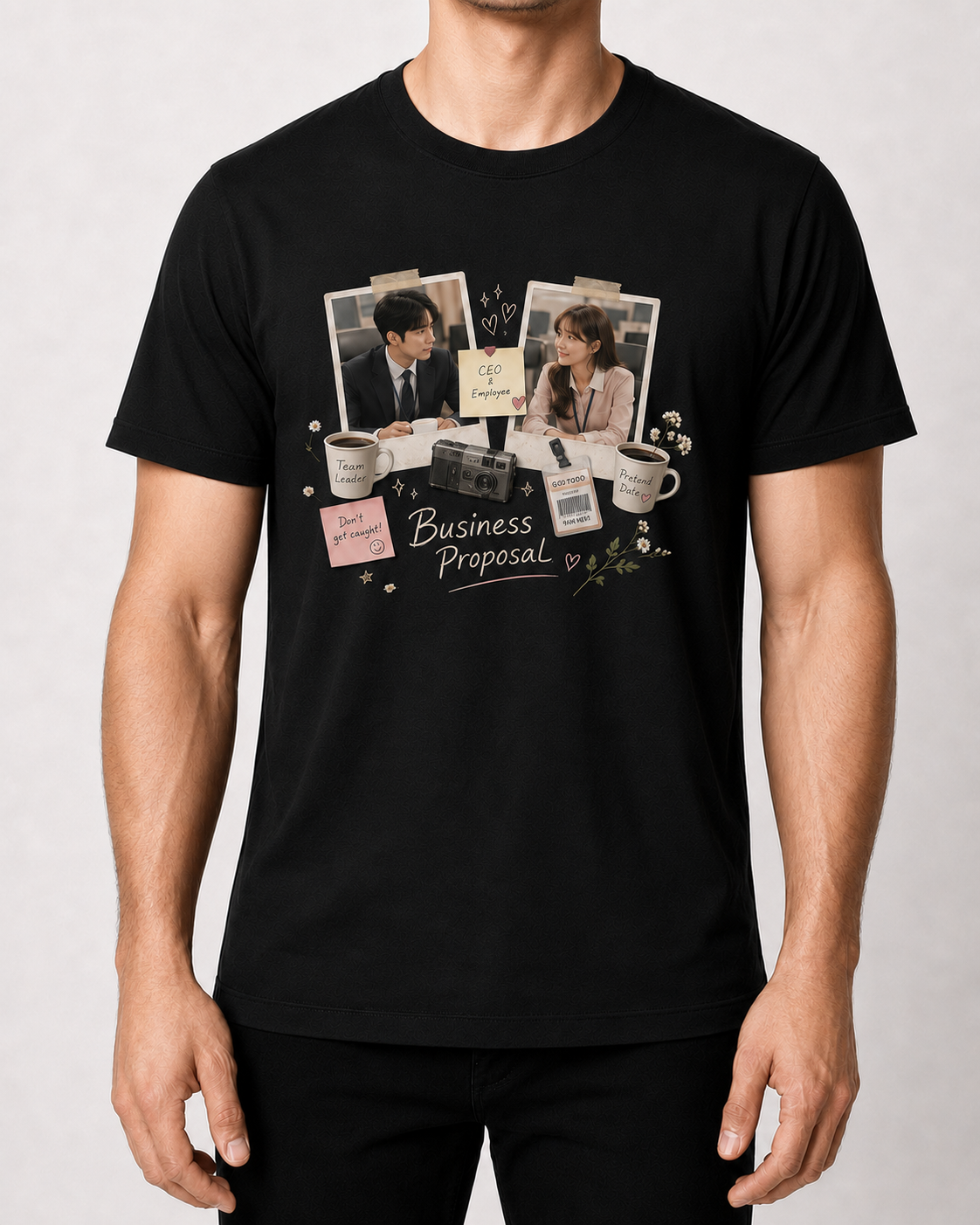
Business Proposal (사내맞선). A woman goes to a blind date in her friend's place, in disguise, and finds her own company's CEO across the table. Twelve episodes, the pace of a comedy of errors, no ambition beyond being fun — which is exactly why it's one of the most recommended first titles. Business Proposal t-shirt.
If you want to cry properly
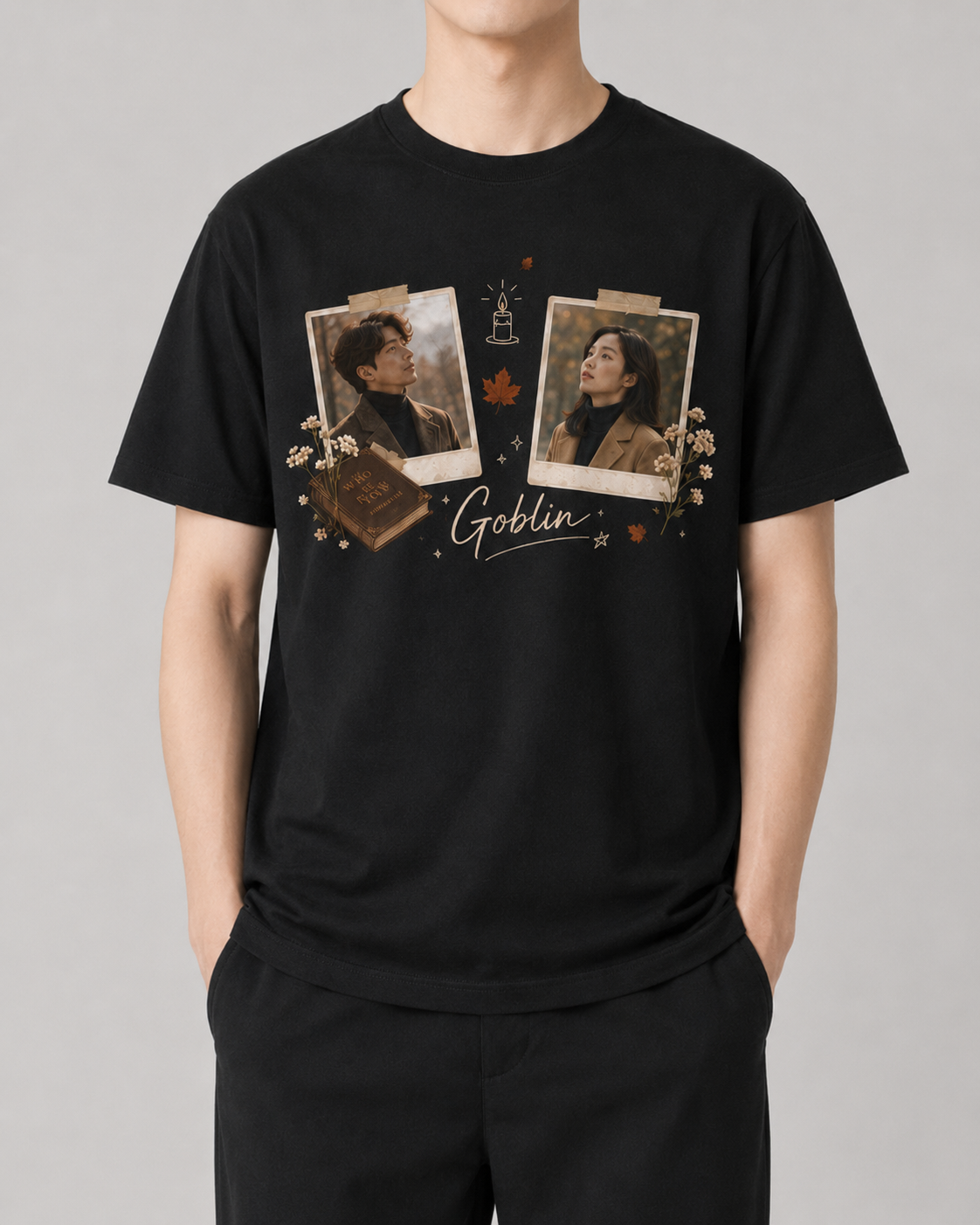
Queen of Tears (눈물의 여왕). The marriage of a conglomerate heiress and a boy from the countryside, falling apart precisely when it stops being a transaction. Goblin (도깨비) is nine hundred years of waiting, a buckwheat field, and a candle somebody has to blow out. Both have endings after which you do not start another show the same evening. Queen of Tears t-shirt, bucket hat, cap, Goblin t-shirt.
If you like fantasy and history
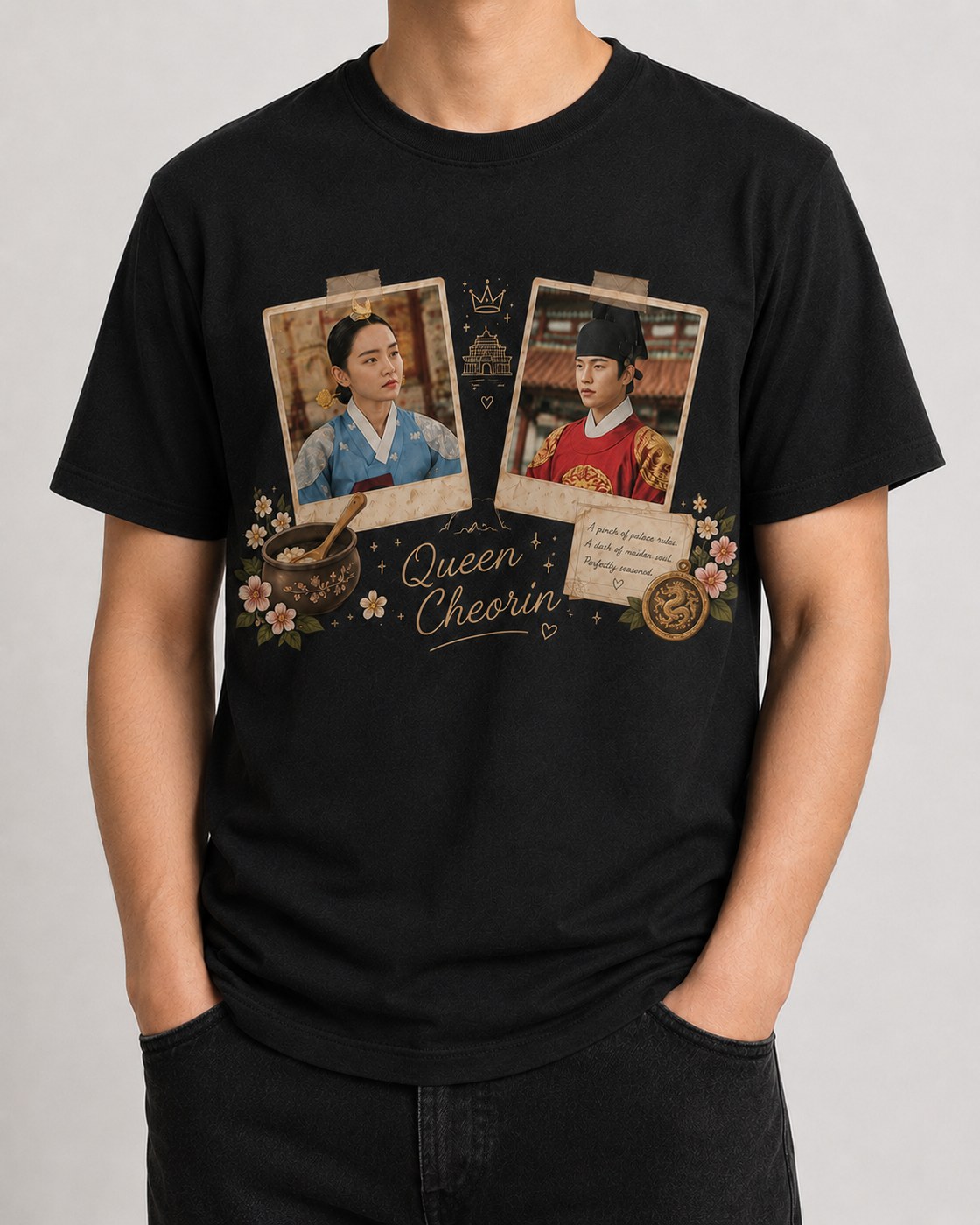
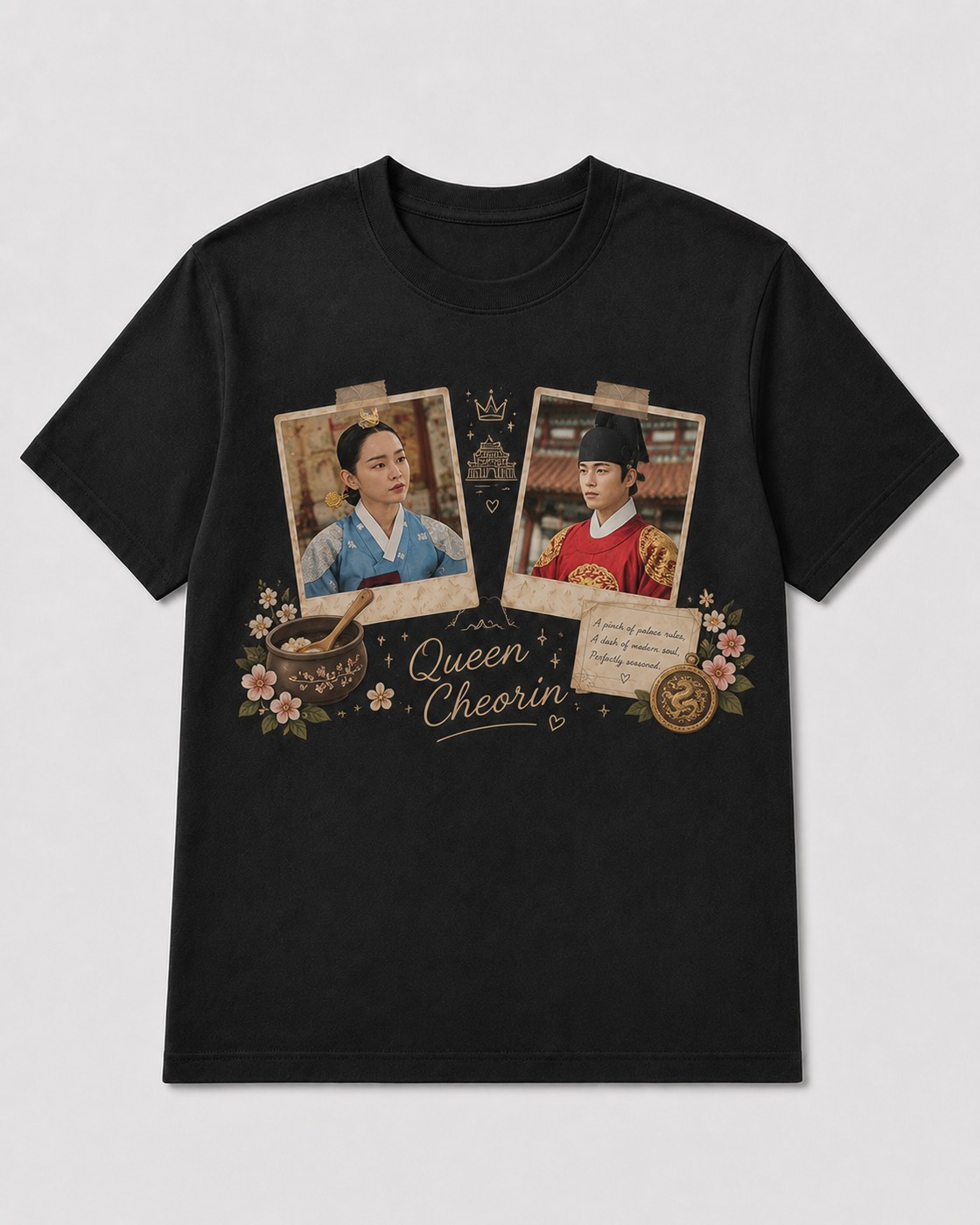
Hotel Del Luna (호텔 델루나) — a hotel for ghosts, run by an owner who cannot check out herself. Visually it's the prettiest title on this list. Mr. Queen, in Korean 철인왕후, Queen Cheorin — a modern chef wakes up in the body of a Joseon queen and has to pretend he always was one. A sageuk, a historical drama, in comic mode. Hotel Del Luna bucket hat, cap, Queen Cheorin t-shirt.
If you want something slow and warm
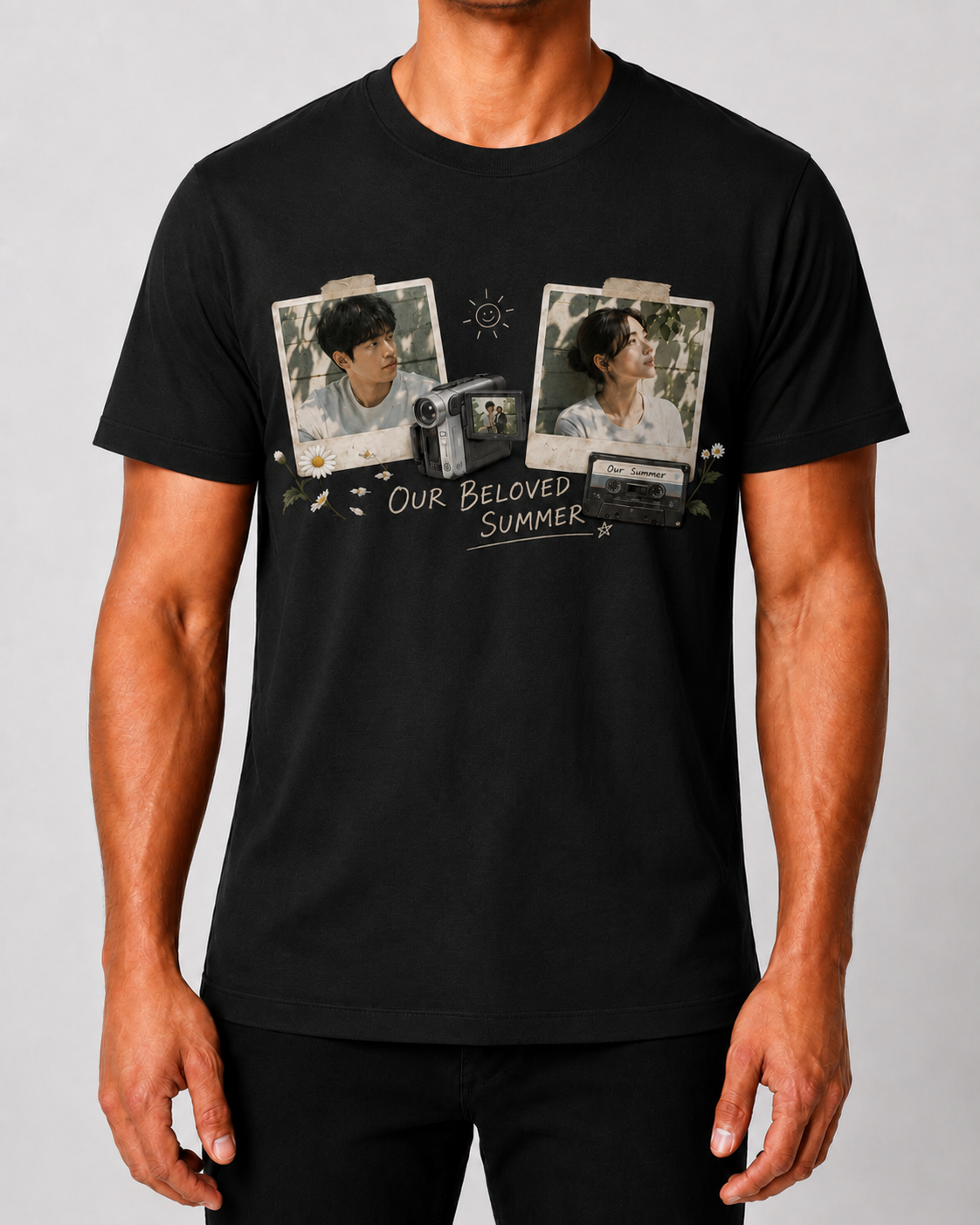
Hometown Cha-Cha-Cha (갯마을 차차차) — a Seoul dentist opens a practice in a seaside village where the local handyman knows everyone. When Life Gives You Tangerines (폭싹 속았수다) — a whole life on Jeju told across four seasons; the title is a phrase in the island's dialect. Our Beloved Summer (그해 우리는) — two people who made a school documentary and have to go back to it years later. These are the three best titles for autumn and for an evening when you don't want anything chasing you. Hometown Cha-Cha-Cha, When Life Gives You Tangerines, Our Beloved Summer.
If you like style and revenge
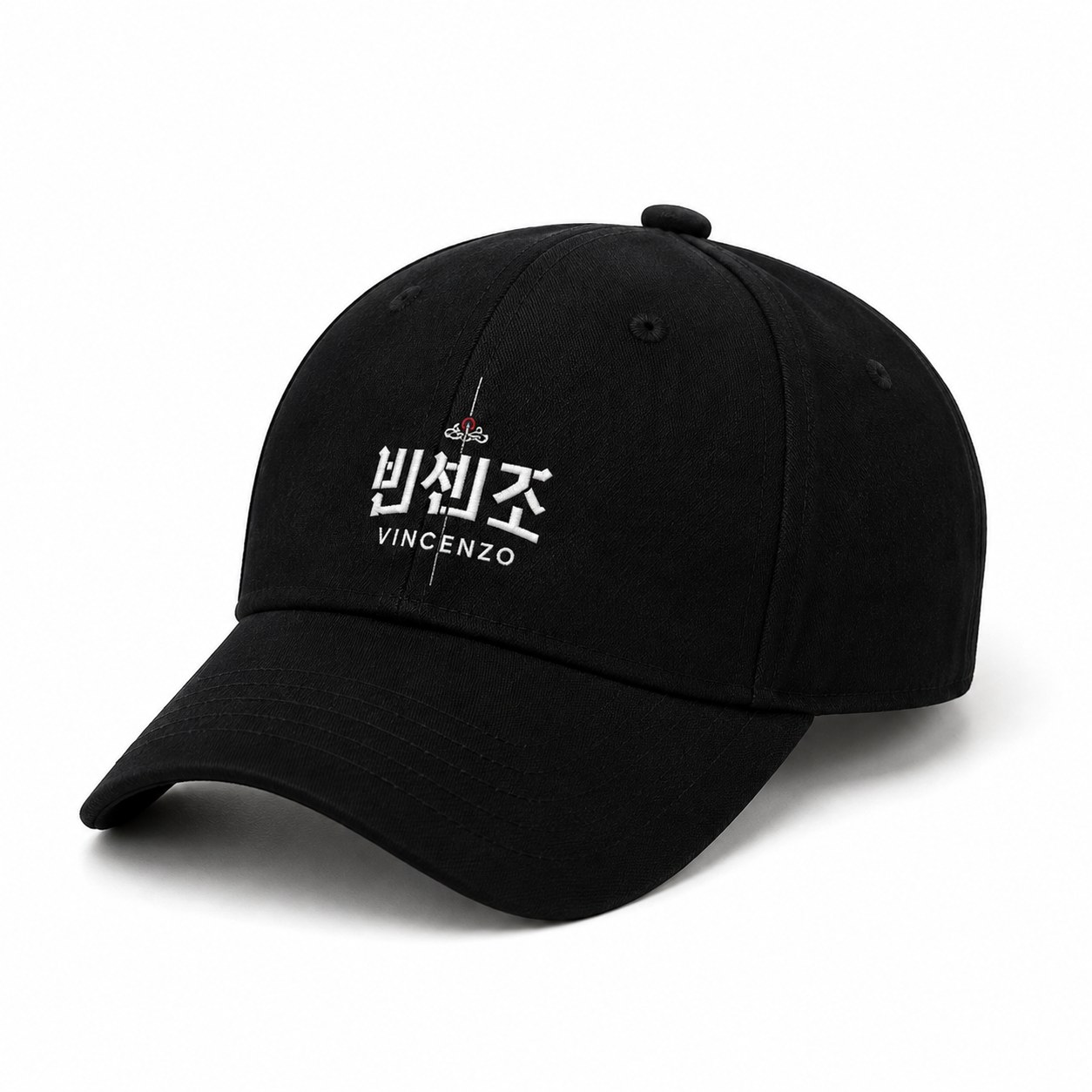
Vincenzo (빈센조). A Korean raised in Italy, a mafia consigliere, comes back to Seoul for gold hidden under a building. Black comedy, tailoring, violence served with a smile, and twenty episodes that move faster than sixteen elsewhere. Vincenzo t-shirt, cap.
If you want youth and sport
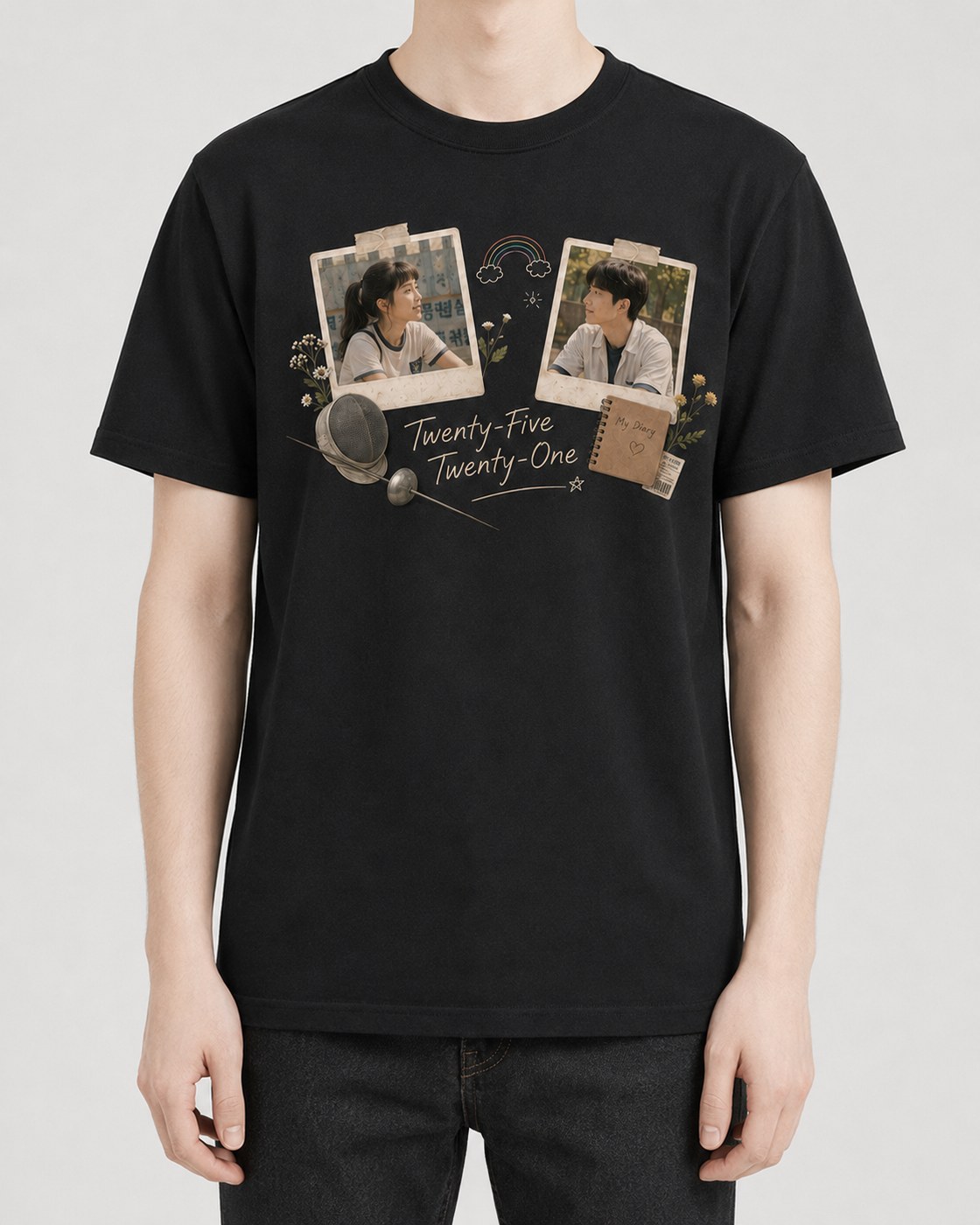
Twenty Five Twenty One (스물다섯 스물하나) — fencing, the late-90s financial crisis, and a friendship that happens at the wrong moment in history. Weightlifting Fairy Kim Bok-joo (역도요정 김복주) — a weightlifter at a sports university, and the warmest love story ever filmed in a gym. Twenty Five Twenty One, Weightlifting Fairy.
If you like school, uniforms and a job to do
True Beauty (여신강림) — a girl who learned make-up from YouTube and is afraid somebody will see the face underneath. Descendants of the Sun (태양의 후예) — a soldier and a doctor in a disaster zone, the title that started the whole thing for a lot of viewers. While You Were Sleeping (당신이 잠든 사이에) — dreams that arrive before the accident, and the question of whether they can be changed. True Beauty, Descendants of the Sun, While You Were Sleeping.
A glossary of the words you'll hear in every other episode
- 오빠 oppa — "older brother" in a woman's mouth, said to an older man. When a character switches from a surname to oppa, that's a scene, not a detail.
- 언니 unnie — older sister, said by a woman. 형 hyung and 누나 noona are the same relationships from a man's side.
- 선배 sunbae / 후배 hoobae — senior and junior: at school, at university, at work. Half the tension in an office drama comes from who is whose sunbae.
- 애교 aegyo — deliberate cuteness: the voice, the faces, the gestures. Sometimes a weapon, sometimes a joke, usually both.
- 사극 sageuk — a historical drama, most often set in the Joseon era. Mr. Queen is a sageuk teasing the sageuk.
- 재벌 chaebol — a family conglomerate. If a character has a helicopter and a terrible father, he's a chaebol.
- OST — the soundtrack. In Korea it's a market of its own: songs are released during the run, week by week.
- second lead syndrome — the condition of rooting for the other one, knowing the script isn't on his side.
- 막장 makjang — melodrama pushed over the top on purpose: swapped babies, amnesia, a will. A genre, not an accident.
- 한류 hallyu — the "Korean wave": the shows, the music, the cosmetics and the food, all at once.
- 대박 daebak — "jackpot", roughly "no way". You'll hear it in every show and every other vlog.
How long this actually takes, and where to watch
Sixteen episodes of about an hour is roughly seventeen to eighteen hours. That's less than one season of a typical American network show and about the same as eight films. Spread over two weeks at an hour a day, it's realistic even with a job.
Most of the titles on this list are on Netflix, some on Viki. Availability shifts every few months and differs by country, so check the specific title where you are before planning a marathon. Subtitles are reliable for the bigger productions; for older shows you may only get English.
Dubs exist, but with K-dramas it's worth staying with the original even without any Korean. Half the information about how two characters stand to each other sits in which level of politeness they use — and that does not survive a dub.
What not to expect
The middle sags. Roughly episodes nine to twelve are the classic spot where a script treads water. That's a property of the format rather than a fault of any one show. It's worth pushing through.
Product placement is visible. Characters eat a specific sandwich from a specific chain, in a specific shot. That's part of how the show is paid for.
Not every ending is happy, and not every ending is clear. Several of the best titles finish somewhere you have to complete yourself.
The violence can be real. Squid Game and Vincenzo are not shows to watch with a child, however colourful the cover art looks.
Frequently asked questions
What does "K-drama" actually mean? Short for Korean drama — a scripted series made in South Korea. "Drama" here isn't a genre; a romantic comedy is a drama too. In Korea they just say 드라마.
How many episodes does a Korean drama have? Most often sixteen, of sixty to seventy minutes. Twelve is increasingly common for streaming productions, and twenty happens with sagas and sageuks.
Will there be a second season? Usually not. That isn't neglect, it's the design: the story has an ending written into it from the start. The exceptions — Squid Game — are famous precisely because they are exceptions.
Should I start with Squid Game? If you want a thriller, yes. If you want to know what a K-drama is like, no — it's the least typical title in the field. Crash Landing on You or Business Proposal is a better opening.
Where do I watch Korean dramas? Netflix has the largest selection, and Viki carries a lot of older titles. Catalogues change several times a year and differ by country, so check your specific title where you are before planning a marathon.
Do I need any Korean? No. It is worth watching with subtitles rather than a dub, though: the levels of politeness carry as much information about relationships as the dialogue does.
How is a K-drama different from a Japanese dorama? Mostly length and pace — Japanese series are usually shorter (nine to eleven episodes of about forty-five minutes) and more intimate. K-dramas have nothing in common with anime beyond both coming from Asia.
Where do I start if I'm short on time? Business Proposal — twelve episodes, light, no month-long emotional commitment.
How to wear it without looking like a costume
There's one rule: one piece at a time. A printed t-shirt is already a statement, so the rest of the outfit can be plain black. A cap or a bucket hat works the other way round — it's small, so it belongs with clothes that say nothing on their own.
The prints in this category are deliberately small and typographic. The title in Korean, the English underneath, on black. Anyone who knows the show reads it from across a room; to everybody else it just looks like a graphic. That's the difference between a fan's t-shirt and a poster on a t-shirt.
Mugs are their own thing, because they work at home rather than on the street: Midnight Ramen Love, Office Crush, Hometown Love, Tangerine Days. They're also the safest gift for someone whose taste in shows you don't know exactly — a drawing of a ramen bowl holds up without any context at all.
Everything in the category is here: K-drama t-shirts, caps, bucket hats and mugs.
The short version
If you're watching one title — Crash Landing on You. If romance puts you off — Vincenzo. If you want something quiet — Our Beloved Summer. If you want to see what the fuss was about, and accept that it isn't a typical K-drama — Squid Game.
And if you already have your title and you're looking for something that wears it without shouting, that's what this category is for.